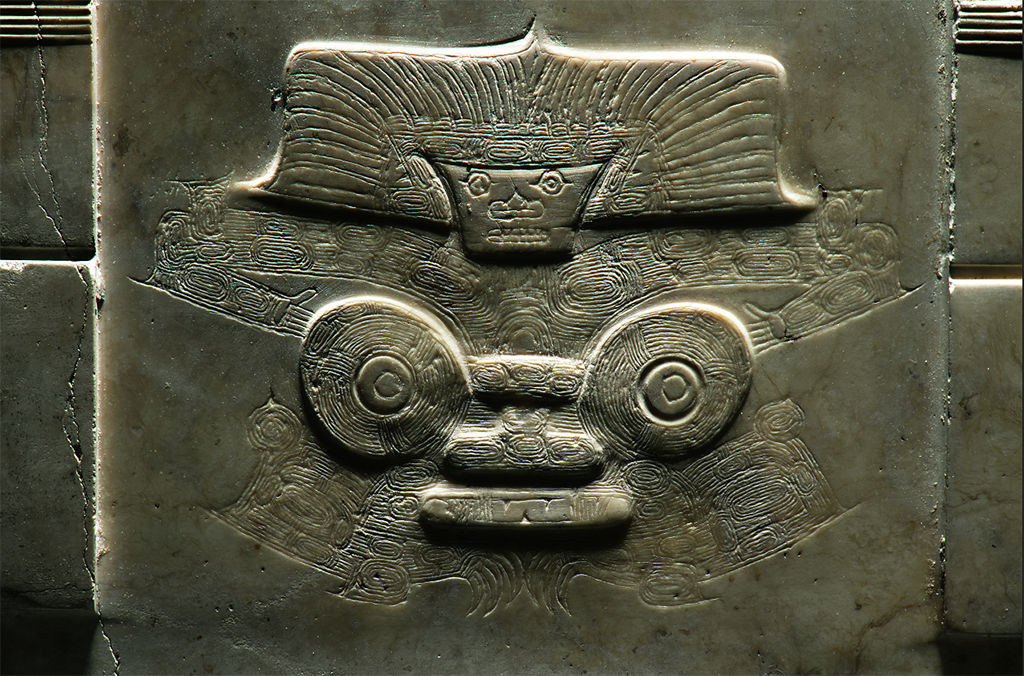
Liangzhu Culture
Introduction
Liangzhu Culture, originating from the late Neolithic period, is a significant prehistoric culture that thrived in the Yangtze River Delta, particularly around the Taihu Lake region in China. It flourished approximately 5,300 to 4,300 years ago and is renowned for its advanced jade artifacts, which are integral to understanding its social structure, religious beliefs, and technological advancements. This culture is epitomized by its elaborate jade items such as "cong" and "bi," which suggest a highly stratified society with complex spiritual and ritual practices. The Liangzhu Culture is considered a crucial component in the formation of Chinese civilization, providing insights into early state formation, societal hierarchy, and sophisticated craftsmanship.
Discovery and Excavation
The discovery of Liangzhu Culture dates back to the 1930s when archaeologists first unearthed black pottery in the town of Liangzhu, located in Hangzhou, Zhejiang province. This initial finding sparked further explorations that revealed a treasure trove of jade artifacts, burial sites, and remnants of ancient city structures. Systematic archaeological work over the decades has uncovered more than 1,000 sites associated with this culture, primarily distributed in Zhejiang, Jiangsu provinces, and Shanghai around the Taihu Lake. The archaeological site of Liangzhu City, in particular, stands out as a well-preserved example of early urban civilization, featuring sophisticated city planning and a complex water conservancy system. These discoveries have provided a concrete basis to assert the presence of a regional state that was both technologically and culturally advanced.
Geographic Distribution
The Liangzhu Culture primarily occupied the lower reaches of the Yangtze River, with its center in present-day Hangzhou, Zhejiang province. Its influence, however, extended far beyond this nucleus, affecting a broad region that includes parts of Jiangsu and Anhui provinces, as well as areas around the Taihu Lake. Archaeological findings suggest that Liangzhu artifacts, particularly its jade items, were distributed over a wide area, indicating the culture's extensive reach through trade or possibly as trophies of war. The geographic expanse of Liangzhu Culture highlights its significance as a major cultural and economic hub in ancient China, contributing to the understanding of cultural exchanges and interactions in prehistoric East Asia.
Characteristics
Liangzhu Culture is distinguished by its sophisticated craftsmanship, particularly in jade carving, which is considered one of its most defining characteristics. The jade artifacts from Liangzhu, including the cong (a cylindrical vessel with squared edges) and bi (a flat disc with a circular hole in the center), exhibit intricate designs and high levels of artistry. These objects were primarily used for ritualistic purposes, reflecting the culture's spiritual beliefs and social hierarchy. Additionally, the culture is known for its black pottery, advanced agricultural practices, and complex social structures, as evidenced by the large burial sites and remains of ancient city walls and dams. The architectural sophistication, coupled with the use of jade, underscores the cultural and technological advancements of the Liangzhu era.
Social Structure
The social structure of Liangzhu Culture was highly stratified, as indicated by the opulent burial goods found in the tombs of its elite. Jade artifacts, particularly the cong and bi, were primarily discovered in the graves of high-status individuals, suggesting a society with distinct social classes. These artifacts symbolized power and religious authority, indicating that the ruling class possibly held both secular and spiritual leadership. The presence of large-scale public works, such as the city walls and water management systems, further suggests a well-organized society with the capacity for collective labor and governance. This stratification reflects a level of political organization and social complexity that is characteristic of early state formations in human history.
Religious Beliefs
Religious beliefs in Liangzhu Culture were deeply intertwined with its use of jade artifacts, which were likely employed in rituals and as symbols of spiritual authority. The motifs engraved on these jade items, often depicting human figures and mythical creatures, suggest a belief system centered around deities and the afterlife. The presence of ritual objects in burial sites indicates that the Liangzhu people practiced elaborate funerary rites, possibly to honor the deceased and secure their status in the spiritual realm. The prominence of jade in these rituals underscores its sacred status within Liangzhu society, serving as a medium through which humans communicated with the divine.
Decline and Legacy
The decline of Liangzhu Culture remains a subject of scholarly debate, with theories suggesting natural disasters, such as flooding, or resource depletion as possible causes. Despite its decline, the cultural and technological legacies of Liangzhu persisted, influencing subsequent Chinese civilizations. The jade craftsmanship and ritualistic practices of Liangzhu were adopted and adapted by later cultures, leaving an indelible mark on the development of Chinese art and religion. The archaeological remains of Liangzhu, now recognized as a UNESCO World Heritage Site, continue to offer valuable insights into the early stages of Chinese civilization and its enduring cultural heritage.
Significance in Chinese History
Liangzhu Culture holds a pivotal place in Chinese history as a testament to the early development of complex societies in the region. Its advanced jade artistry, urban planning, and social organization reflect a high level of cultural sophistication that contributed to the broader tapestry of Chinese civilization. The study of Liangzhu provides crucial evidence for understanding the emergence of state structures and the role of religious practices in shaping societal norms and values. As one of the earliest known palatial cities in China, Liangzhu underscores the diversity and richness of China's prehistoric cultural landscape, challenging earlier notions that civilization primarily arose in the Central Plains.








